About
Background
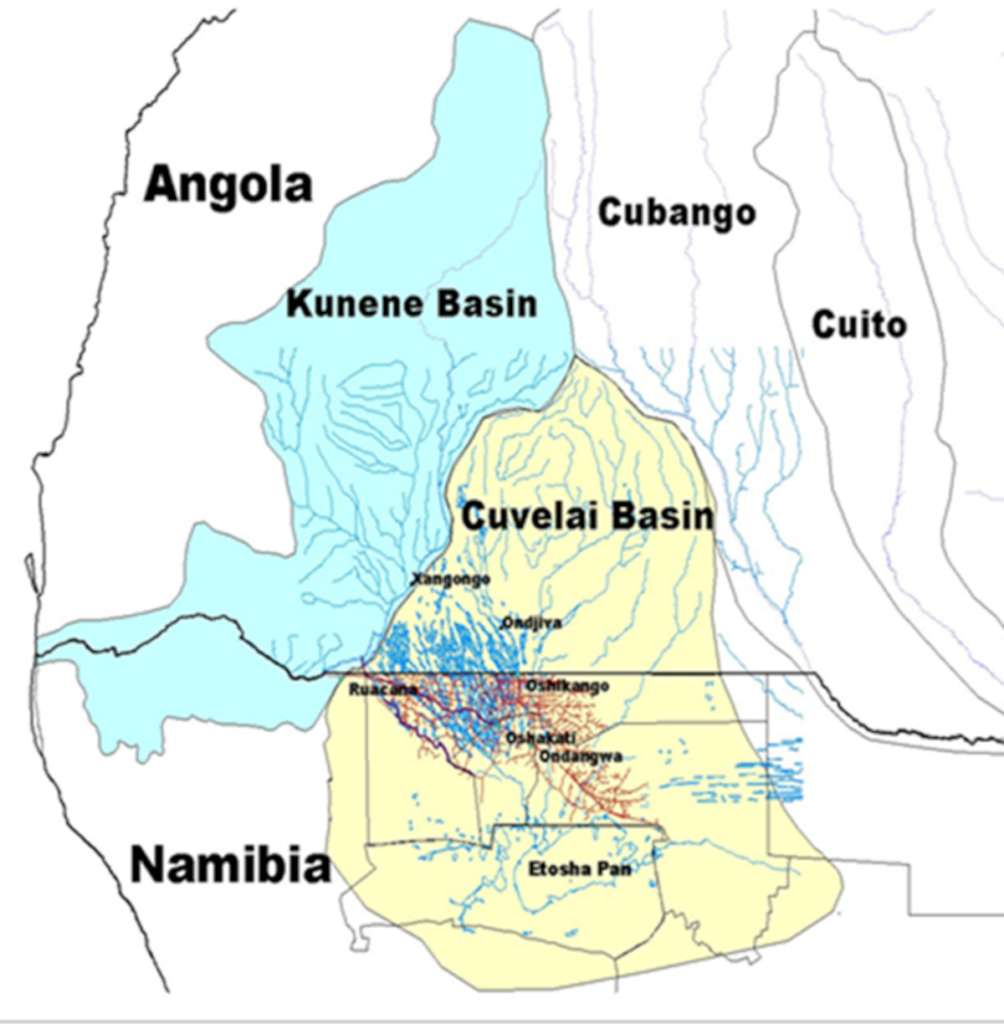
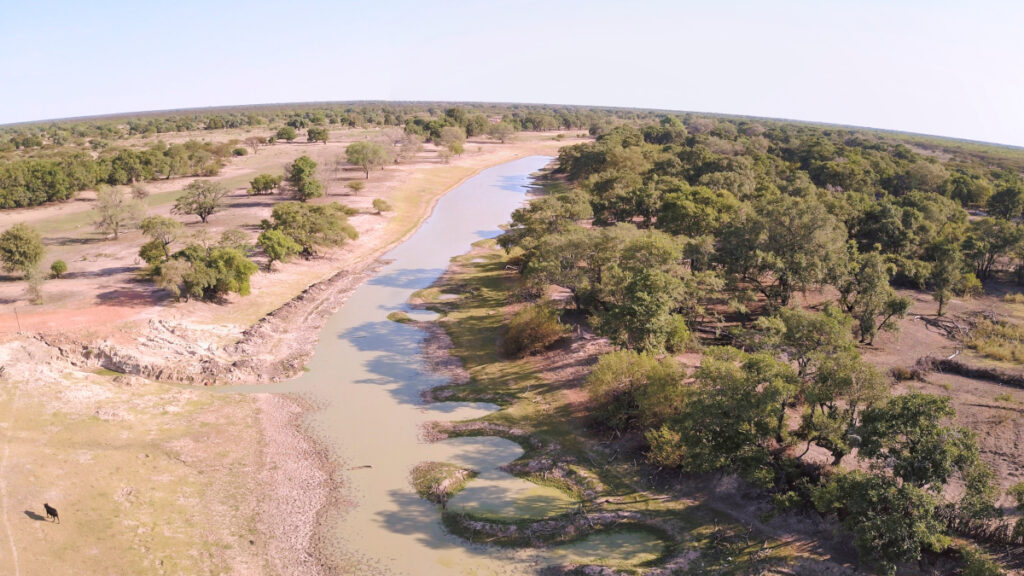
The Cuvelai Basin covers an area of approximately 160,000 km², with 44% located in Angola and 56% in Namibia. Home to about 1.2 million people, it is characterized by extreme hydrological variability, experiencing frequent droughts and episodic floods, commonly referred to as “efundjas.” The Cuvelai is predominantly an ephemeral river system, with surface water only present for short periods during and after rainfall events. Despite the challenges, the basin supports livelihoods primarily through rainfed agriculture, groundwater extraction, and livestock farming.
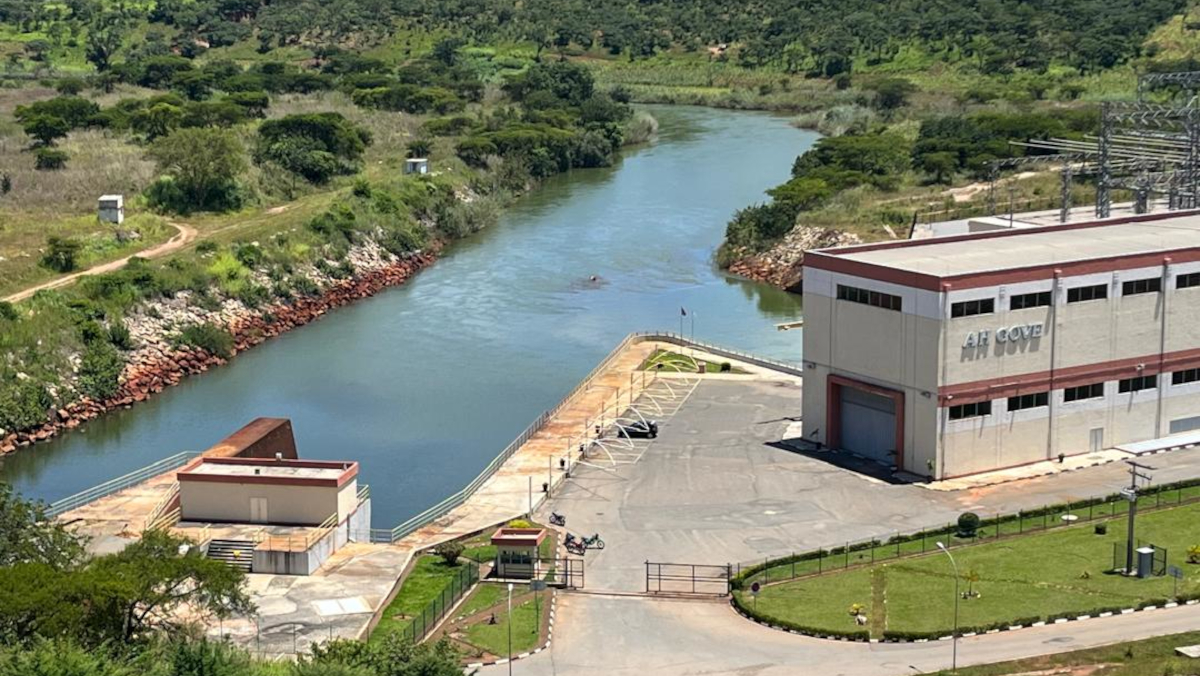
The Kunene River Basin, spanning about 106,500 km², is primarily located in Angola (87%), with the remainder in Namibia. The basin’s population of approximately 2.38 million people relies on the Kunene River, which originates in Angola’s central highlands and flows through diverse topographies before reaching the Atlantic Ocean. The Kunene Basin holds significant potential for hydropower and irrigation, though currently underdeveloped. The hydrological conditions vary significantly from the upper, water-rich sections to the arid lower basin.
Key challenges to the socio-economic and environmental sustainability of the Cuvelai and Kunene River Basins include increasing water scarcity, hydrological variability, and land degradation. These issues are exacerbated by climate change, which has led to more frequent and severe droughts and floods. In addition, water quality degradation from poor land-use practices and limited sanitation infrastructure is becoming an increasing concern. The rising demand for water due to population growth and agricultural expansion further strains the already limited water resources in both basins.
Improved management of water resources is critical to ensure the equitable distribution of water between upstream and downstream areas and between rural and urban communities. This is especially important in light of the significant hydrological differences between the upper and lower sections of the Kunene Basin and the highly variable water availability in the Cuvelai Basin.
Several barriers hinder effective cooperation and joint management of the basins, including limited institutional capacity, a lack of financial resources, and insufficient technical expertise for coordinated planning at the transboundary level. Additionally, fragmented data on water resources and inadequate information-sharing mechanisms complicate efforts to implement integrated water resource management (IWRM) strategies across national borders. Overcoming these barriers is essential for fostering sustainable development and improving the resilience of communities in both basins.
The “Enhanced Water Security and Community Resilience in the Adjacent Cuvelai and Kunene Transboundary River Basins (CUVKUN)” project aims to strengthen the integrated management of water resources across both basins, promoting sustainable development, resilience to climate change, and improved livelihoods for the millions of people who depend on these water systems.
The project contributes to Objective 3 of the GEF International Waters Focal Area Strategy, which is to “enhance water security in shared freshwater ecosystems”.
GEF investments under this objective seek to, inter alia, improve policy formulation processes, Integrated Water Resources Management (IWRM) implementation and conjunctive management of surface and groundwater resources, as well as apply nature-based and innovative solutions to improve water quality and freshwater ecosystem health and implement a source-to-sea approach.
Expected Benefits of the Project
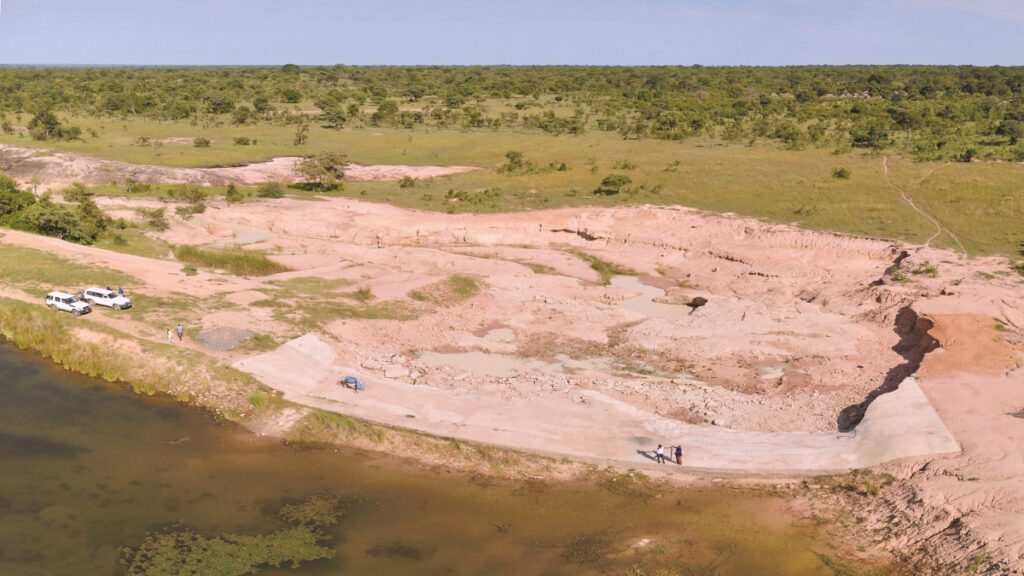
The project will strengthen CUVECOM and the PJTC’s institutional, technical, and coordination capacity, enabling them to function effectively as hubs for coordinating political and economic interests from both public and private sectors across the Cuvelai and Kunene basins. Through the development of Transboundary Diagnostic Analyses (TDAs) and Strategic Action Plans (SAPs) for both basins, Angola and Namibia will agree on joint priorities that will guide transboundary and national investments in the future.
The project also supports efforts to improve the knowledge base by incorporating findings on transboundary aquifers, particularly in the Cuvelai basin, and integrating climate information into the TDAs. Additionally, the project will establish frameworks for monitoring groundwater-dependent ecosystems and ecological flow requirements for the Kunene River, providing both environmental and social safeguards for the populations relying on these ecosystems.
Future water resources development scenarios will be developed, guiding long-term planning and investment across both basins. Benefits to the basin populations will include improved water quality, which will support livelihoods through enhanced agricultural productivity, fisheries, and reduced sedimentation in key infrastructure. Moreover, the project will encourage financing for priority interventions, ensuring sustainable water availability that is essential for the basin’s economic development and long-term livelihood improvements.
Key Project Activities
Several activities have been linked up as part of project implementation, these are:
1. Community Driven Interventions
Community resilience and sustainable livelihoods are central to addressing land degradation and water scarcity challenges in the Cuvelai and Kunene basins. The project will implement community-driven interventions at pilot sites across both Angola and Namibia, focusing on water harvesting, conservation agriculture, and livelihood-based watershed management. These pilot projects aim to reduce sedimentation, enhance land productivity, and improve food security, while fostering socio-economic benefits. The sites include both rainfed farming areas in Angola’s Kunene Basin and mixed farming areas in Namibia’s Cuvelai Basin.
2. Stakeholder Engagement
The success of the project calls for continued cooperation among all the stakeholders. The project will establish National Stakeholder Coordination Committees (NASCs) and a Basin-wide Stakeholder Committee (BASC) to serve as major vehicles linking to existing stakeholder structures for information dissemination in the Cuvelai and Kunene River Basins.
3. Gender Mainstreaming
The project will undertake deliberate actions to prioritize the inclusion of both women and men as well as youth and people with disabilities in the management of transboundary resources of the basins. In addition to the project specific CUVKUN Gender Action Plan, a broader Gender Action Plan will also be developed for the Cuvelai Commission and Kunene PJTC to establish a structured approach towards gender mainstreaming across both basins. In addition, gender-responsive approaches will be integrated into the implementation of the pilot demonstrations to ensure the inclusion of women, the elderly, and youth, contributing to long-term sustainability and scaling of these initiatives.